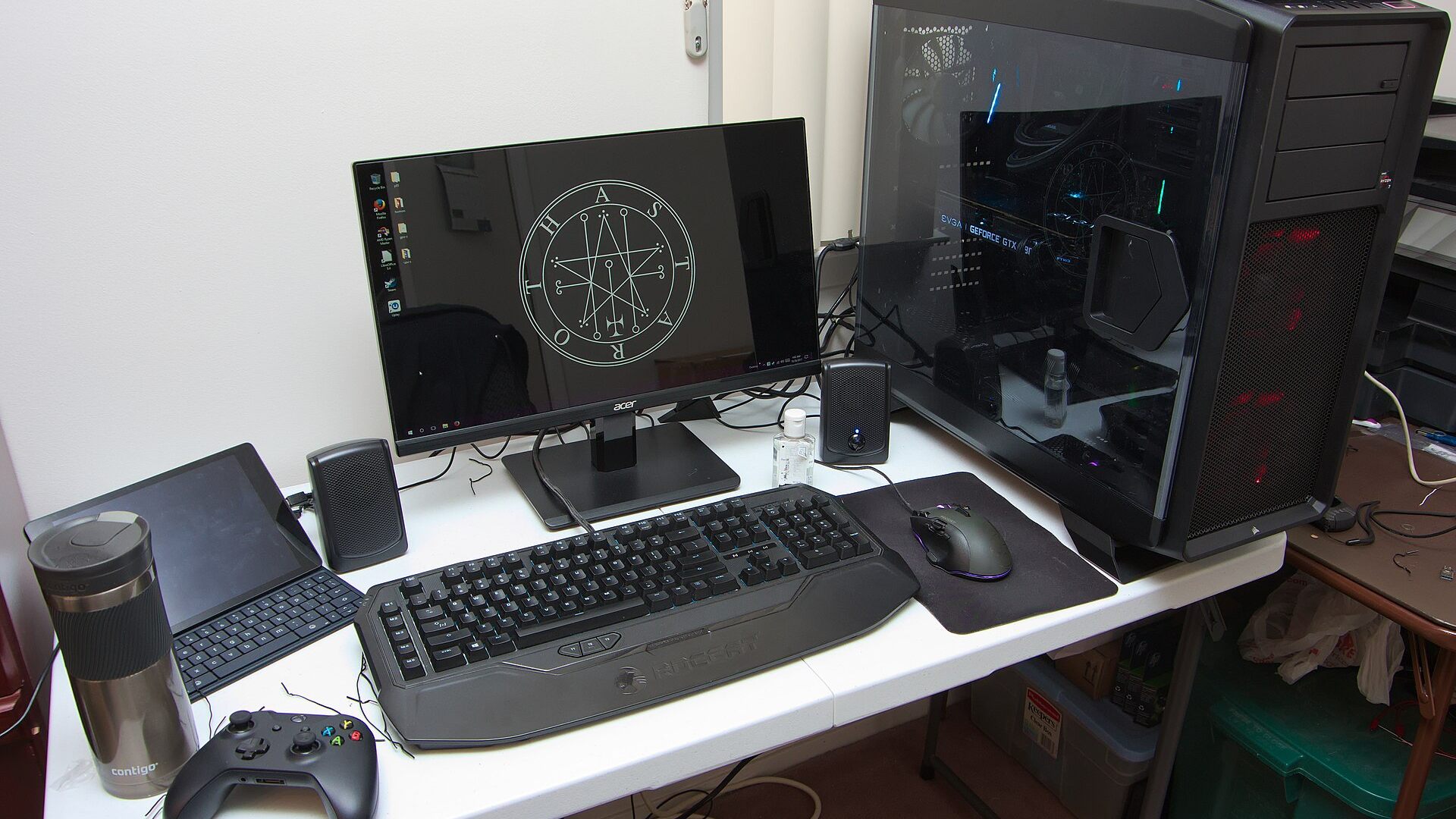
Digital Foundry's look at GTA 6 on the base PS5 points to an internal rendering resolution of roughly 1440p, upscaled toward a 4K output. It's a useful number, because it explains both why the game looks as sharp as it does on a 4K TV and why console players aren't getting higher frame rates.
What "internal resolution" means
Modern console games rarely render every pixel of a 4K image. They render a smaller image, here around 2560 × 1440, then use an upscaler to rebuild a 4K frame from it, often borrowing detail from previous frames. Done well, the result is close to native 4K at a fraction of the cost.
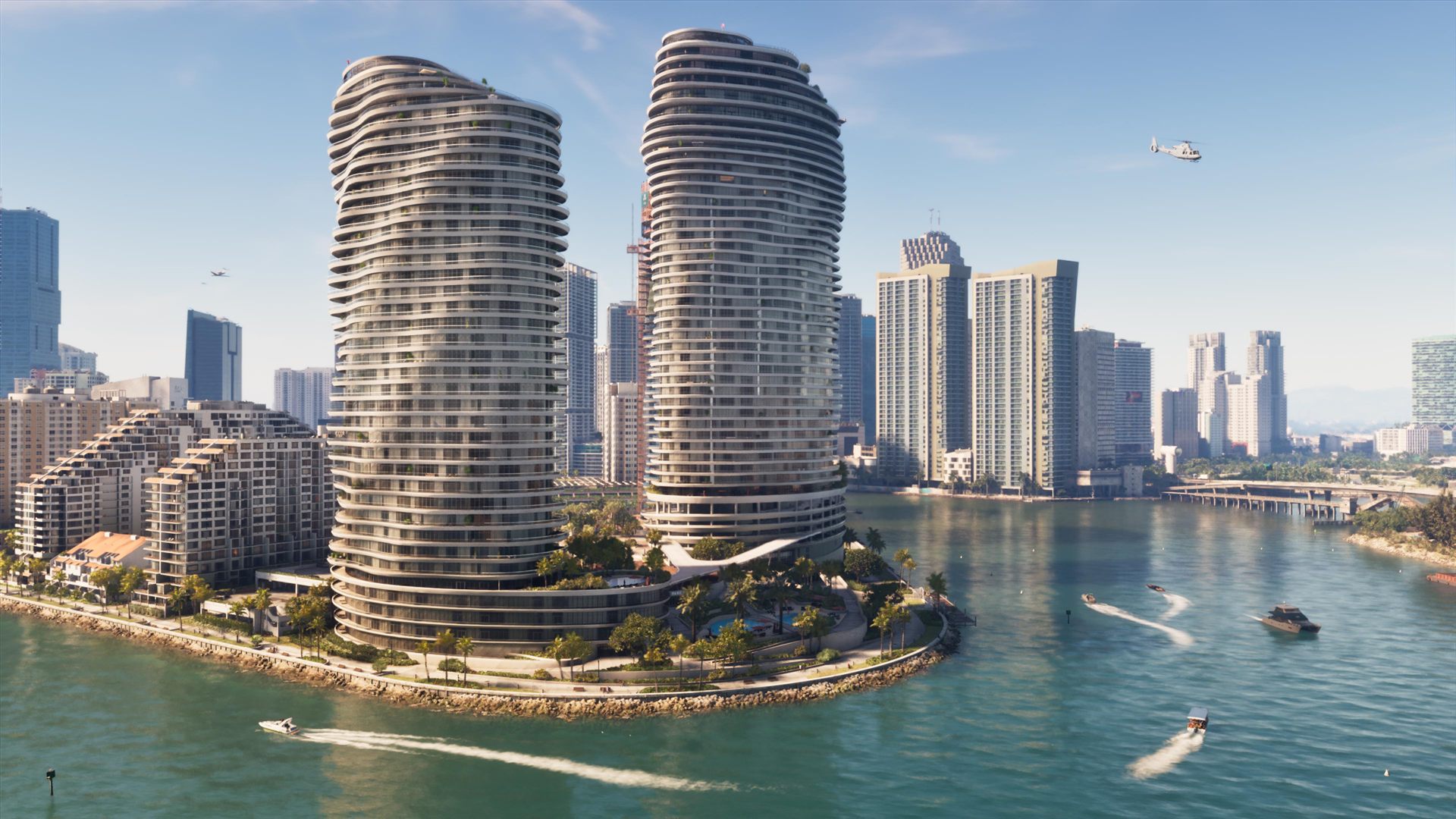
- 1440p (base PS5, per Digital Foundry)3.7 million
- Native 4K8.3 million
Source: Arithmetic: 2560 × 1440 vs 3840 × 2160
Rendering 1440p means drawing about 44% of the pixels that native 4K requires. That saving is where the budget for lighting, density and draw distance comes from.
How the PS5 Pro differs
The PS5 Pro's main extras in GTA 6 are PSSR, Sony's machine-learning upscaler, and ray-traced shadows. PSSR is designed to rebuild a cleaner 4K image from a similar internal resolution, which is why the Pro version looks sharper. It does not change the frame-rate target, which stays at 30 FPS.
Why not trade resolution for frames?
A lower resolution reduces work for the GPU, but open-world games like GTA 6 are often limited by the CPU, which has to run the simulation regardless of resolution. That's the main reason a 1080p "performance mode" wouldn't reliably double the frame rate.
Our CPU- or GPU-bound guide shows how to spot the same bottleneck on PC. For the full launch picture, see GTA 6 runs at 30 FPS on every console.
FAQ
Is GTA 6 native 4K on PS5?
No. Digital Foundry's analysis indicates around 1440p internally, upscaled toward 4K.
Does the PS5 Pro render at a higher resolution?
Its headline upgrade is PSSR upscaling for a cleaner final image, plus ray-traced shadows. The frame-rate target is the same 30 FPS.