Building a big map is the easy part. The open worlds people still talk about years later get something else right, and with the biggest open-world release in years now out, it's a good moment to look at what that is.
1. Density beats size
A smaller map packed with things worth noticing beats a vast one full of empty driving. The best worlds reward curiosity every few minutes rather than every few kilometres.
2. Systems that interact
The most memorable moments are often unscripted. The Legend of Zelda: Breath of the Wild became a reference point because its physics and chemistry systems, such as fire, wind, metal and electricity, interact in ways players can reason about and exploit. When systems combine, players create their own stories.
3. A world that reacts to you
Red Dead Redemption 2 is remembered for how much its world notices: characters respond to how you look and act, and small details persist. Reactivity makes a world feel inhabited rather than staged.
4. Landmarks you can navigate by
Elden Ring leans on striking, visible landmarks to pull you forward instead of a constant stream of map markers. If players can orient themselves by what they see, the world itself becomes the guide.
5. Travel that's worth doing
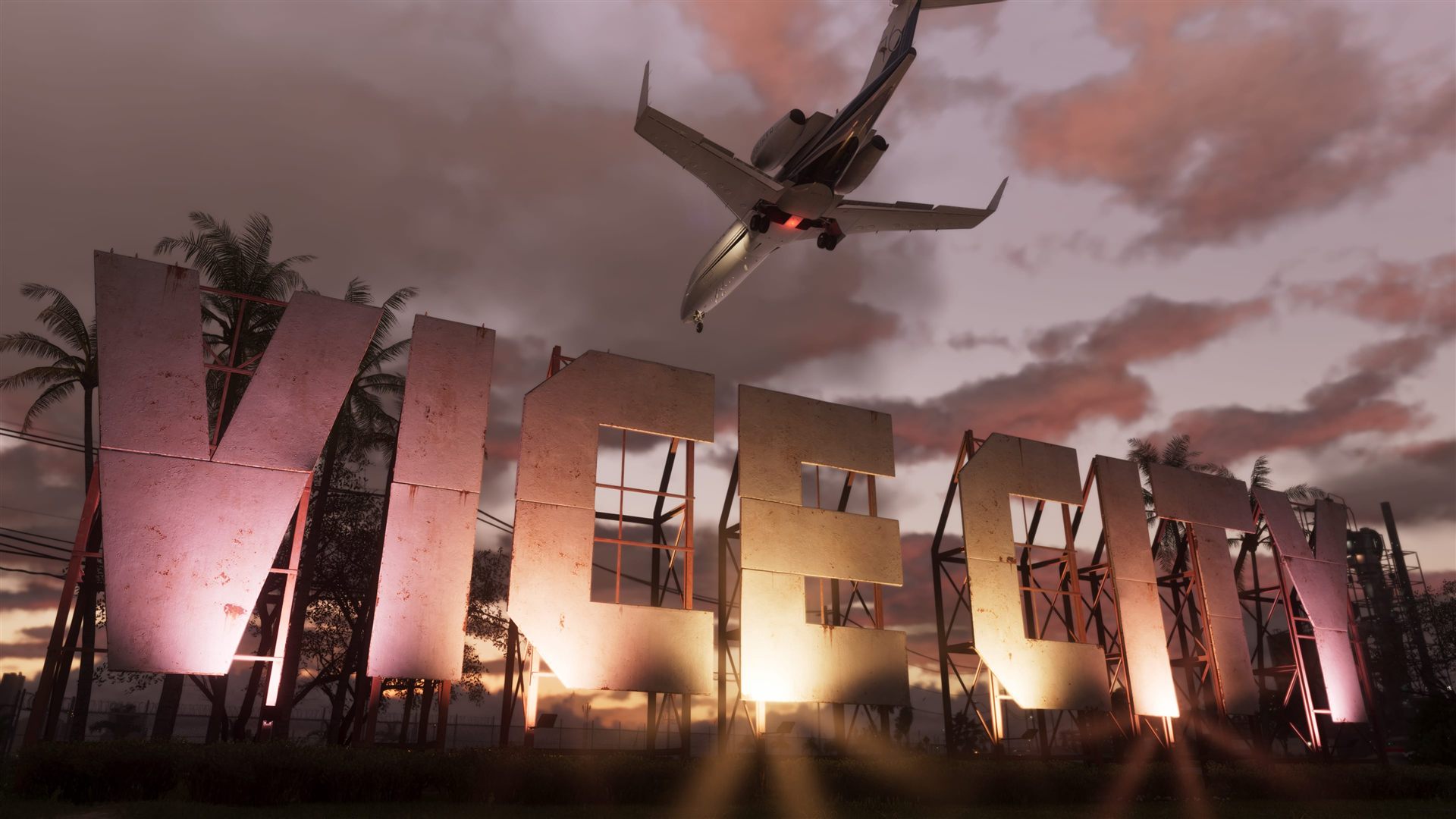
If players fast-travel at every opportunity, the journey has failed. Great worlds make getting there part of the fun, through movement that feels good, encounters along the way, or views worth stopping for.
The trade-off nobody sees
Every simulated character and system takes processing time on every frame. That's a big reason dense open worlds are so demanding, as we explain in why open-world games are so hard to run.
FAQ
Is a bigger open world better?
Not by itself. Density, reactivity and meaningful travel matter more than square kilometres.
Why do open worlds use so many map markers?
Markers are an easy way to guide players through large spaces, but heavy reliance on them can make exploration feel like a checklist.