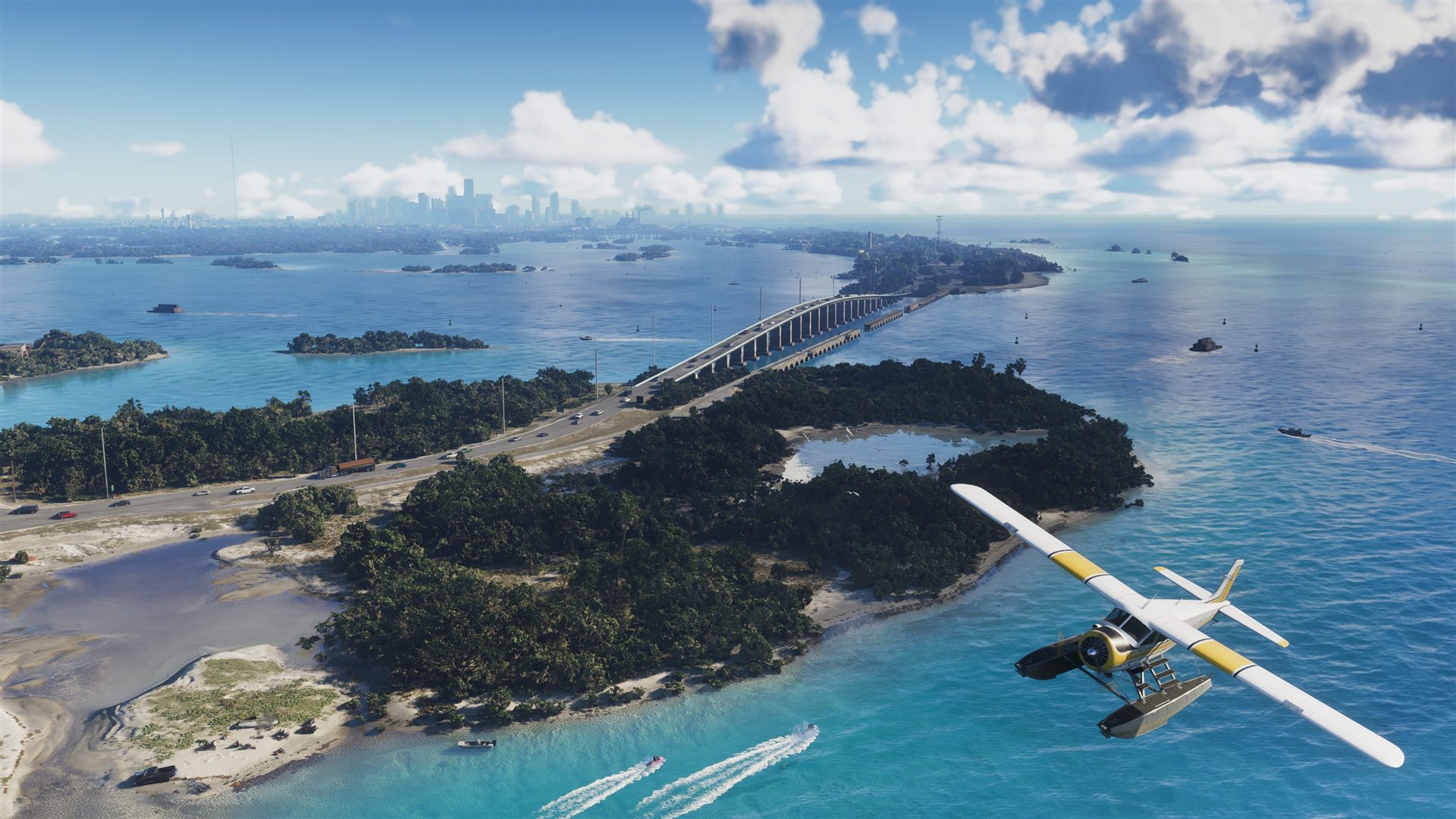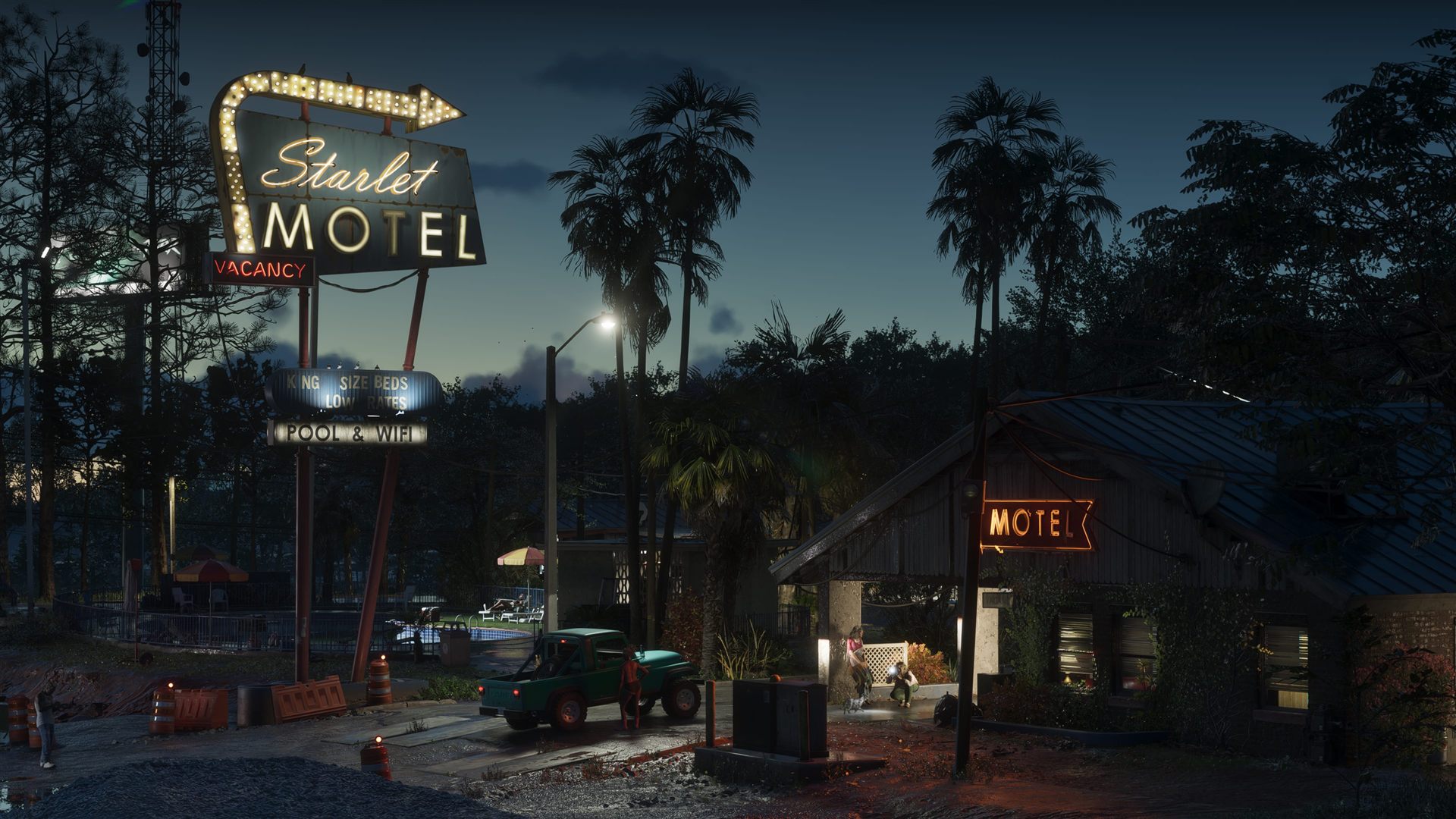
In a busy open-world city, dropping from 4K to 1080p often barely changes the frame rate. The reason is that open worlds are usually limited by the CPU, not the graphics card.
Linear games can control exactly what you see and when. Open worlds can't. You might sprint across a city, drive through traffic, or watch a hundred characters go about their day, and the game has to be ready for all of it.
The CPU is doing more than you think
| Every frame, the CPU has to... | What that involves |
|---|---|
| Simulate the world | Traffic, pedestrians, wildlife, physics and AI, often for things well outside your view |
| Prepare draw calls | Telling the GPU what to render, which grows with object count and view distance |
| Stream the world | Decompressing assets and building new areas on the fly as you move |
None of that gets cheaper when you lower the resolution. That's why dropping from 4K to 1080p often helps far less than people expect in dense cities.
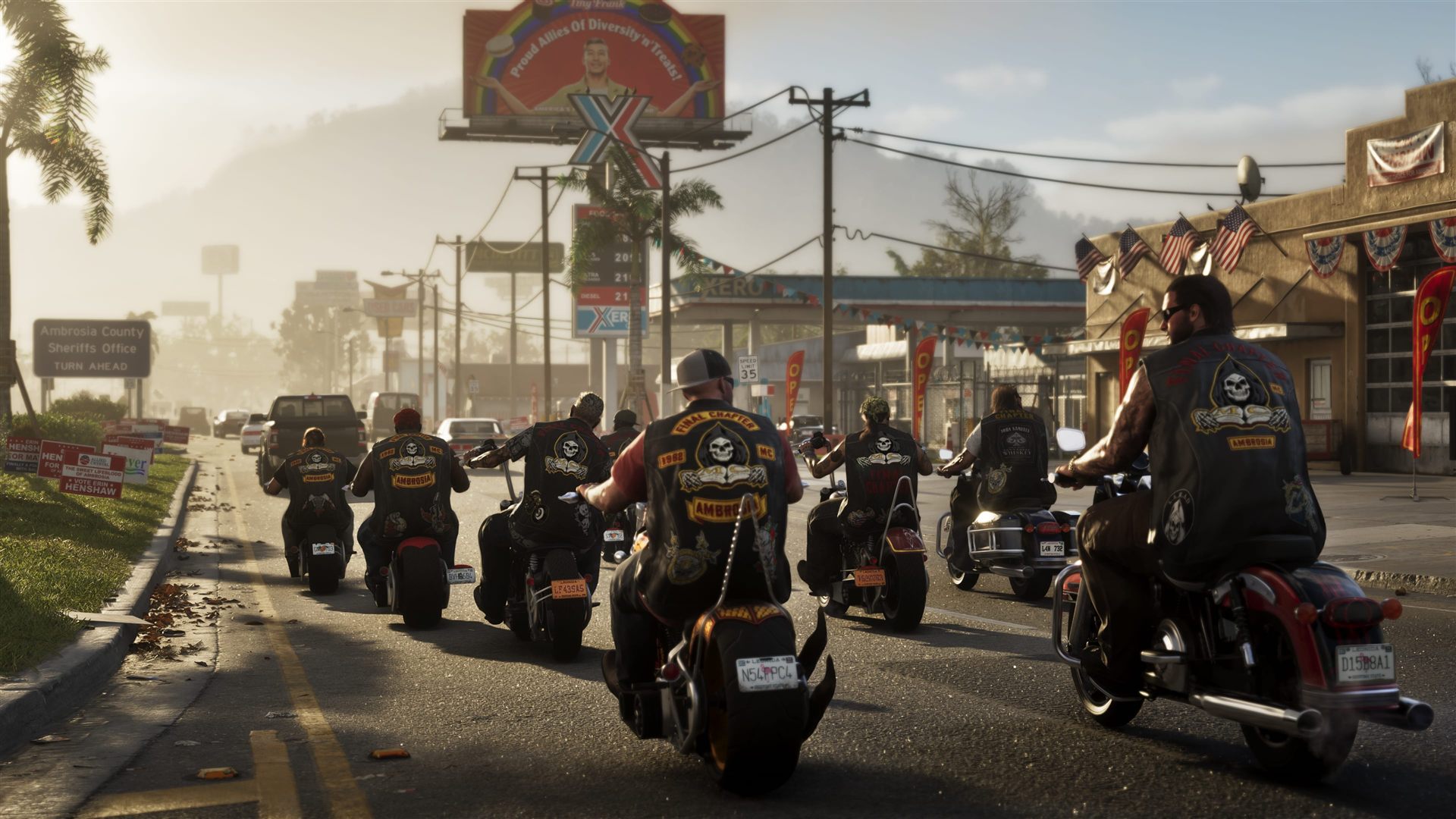
Streaming and "traversal stutter"
Moving quickly through a large world means constantly loading new areas. If assets aren't ready in time, the game hitches. This traversal stutter is common in open-world games and depends heavily on the engine, CPU speed and storage. Our SSD explainer covers why storage speed only helps up to a point.
Density is the hidden setting
Crowd density, traffic density and draw distance are the settings that hit the CPU hardest. On PC, these are usually the first to lower if you're CPU-bound. On consoles, they're a big part of why developers choose a 30 FPS target: a richer, busier world costs simulation time on every single frame.
What it means for you
- On PC, check whether you're CPU- or GPU-bound before changing graphics settings.
- Fast, properly configured memory helps CPU-heavy games; see our CPU and RAM settings guide.
- On console, a stable 30 FPS is a deliberate trade for density and detail, not necessarily a sign of a weak port.
FAQ
Why doesn't lowering the resolution fix my frame rate in open-world games?
Because the bottleneck is often the CPU simulating the world, and that work doesn't shrink with resolution.
What causes stutter when driving fast in open-world games?
Usually world streaming: the game loading and building new areas faster than it can keep up with.